Emergency Guides2025-08-155 min readYourVision 3D Storm Team
How to Safely Handle Downed Palm Trees and Oak Limbs After a Central Florida Windstorm
High windstorms in Kissimmee and Orlando leave heavy branches dangling and shallow-rooted palms uprooted. Learn how to identify tension hazards, document damage for insurance, and safely clear timber.
Direct Answer & Florida Contractor Takeaway
The Fast Answer for Central Florida Property Owners
Direct Summary: In Central Florida's humid subtropical climate (USDA Hardiness Zone 9b/10a), effective landscape longevity, storm resiliency, and property value protection demand proactive horticultural planning, precision grading, and moisture management. Whether remediating torrential stormwater, selecting Florida-Friendly turf, or installing architectural pavers over sandy scrub, solutions must comply with local Osceola and Orange County building codes and UF/IFAS guidelines to prevent costly rework.
UF/IFAS Florida-Friendly principles verified
DBPR licensed & insured installation standards
Osceola & Orange County HOA code compliance
Engineered for hurricane-season wind and deluges
In This Architectural Guide
1.Beware of 'Widow-Makers' and Loaded Spring-Poles
2.Why Palm Trees Fail Differently Than Hardwood Oaks
3.Documenting Damage for Insurance Adjusters
4.Professional Rigging vs. DIY Chainsaw Risks
Beware of 'Widow-Makers' and Loaded Spring-Poles
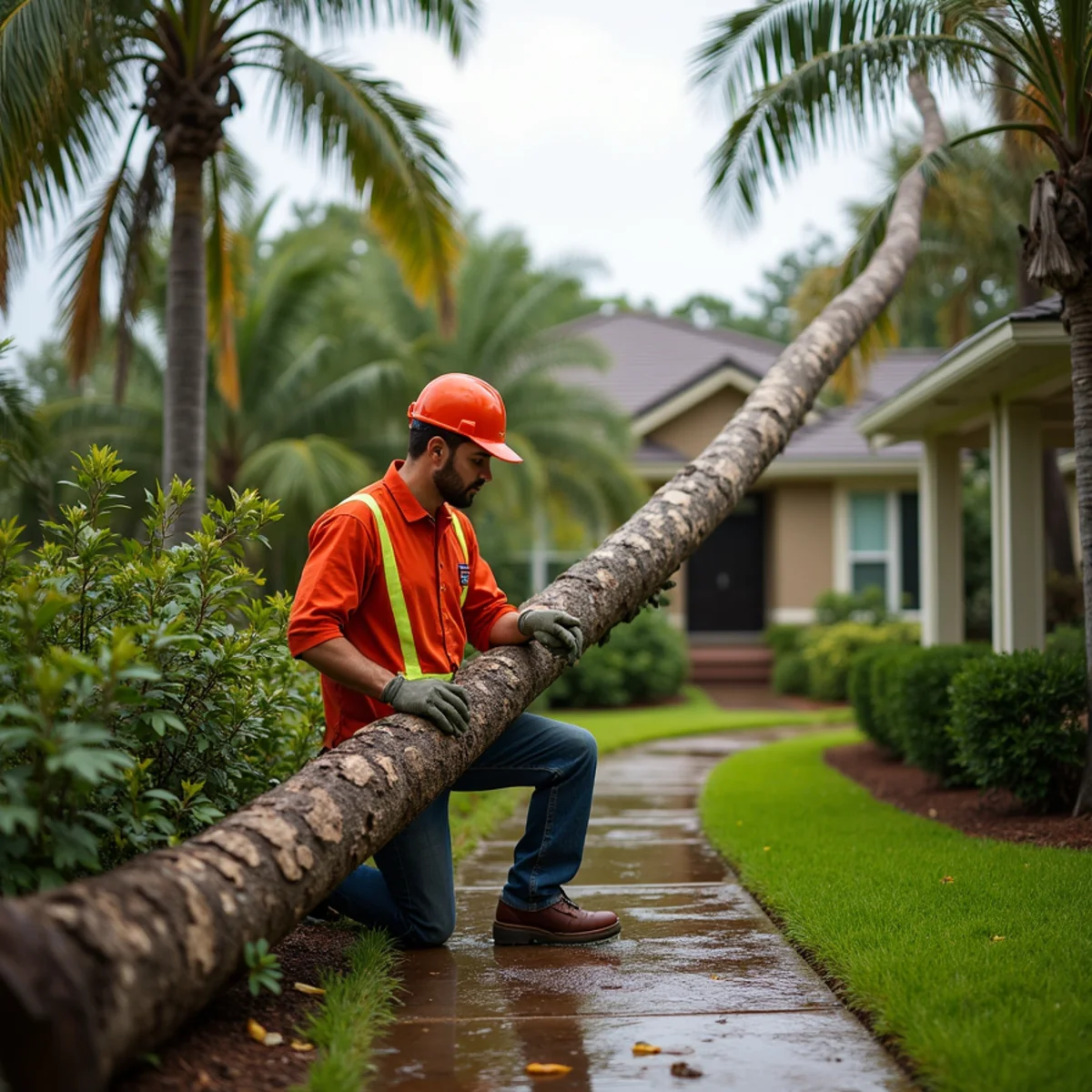
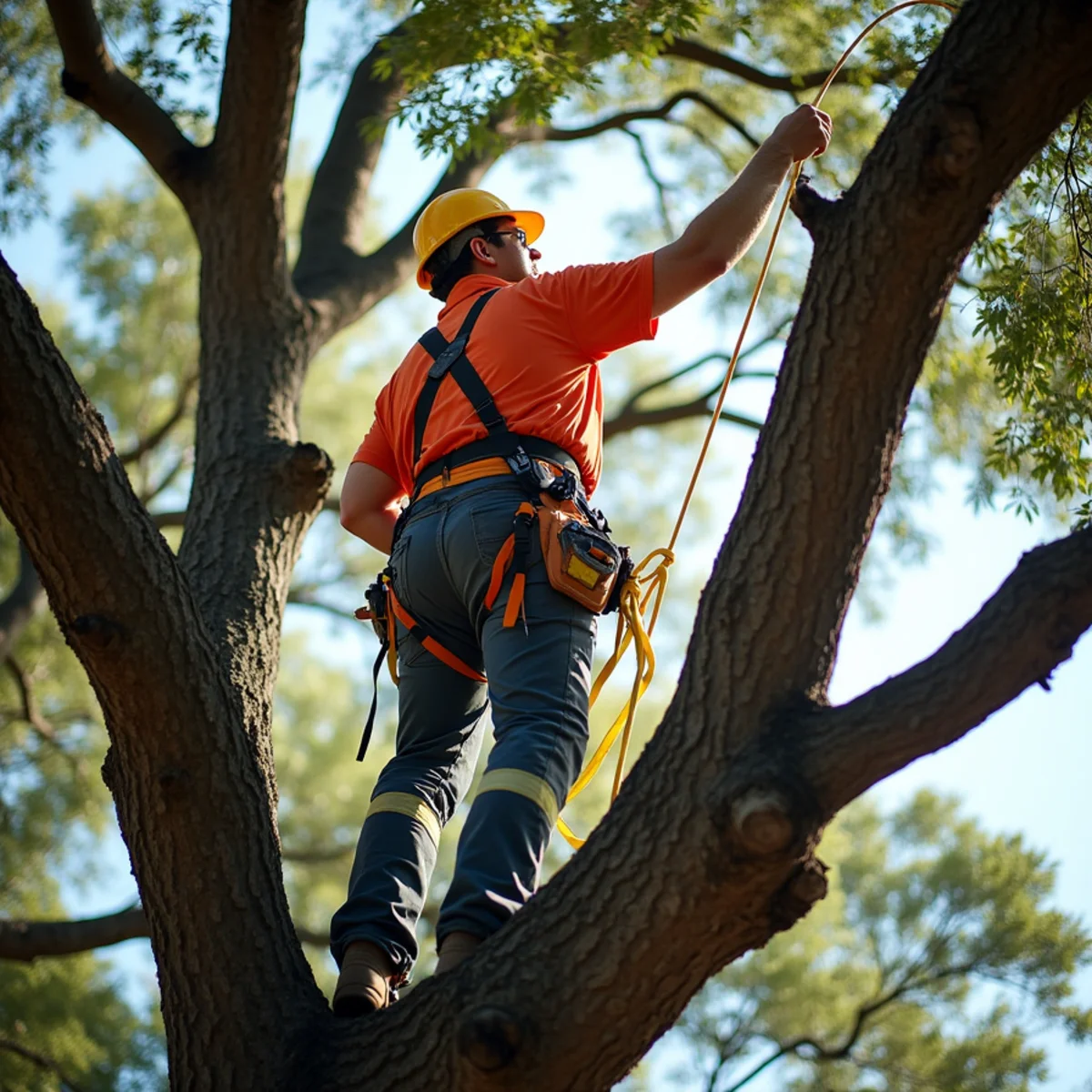
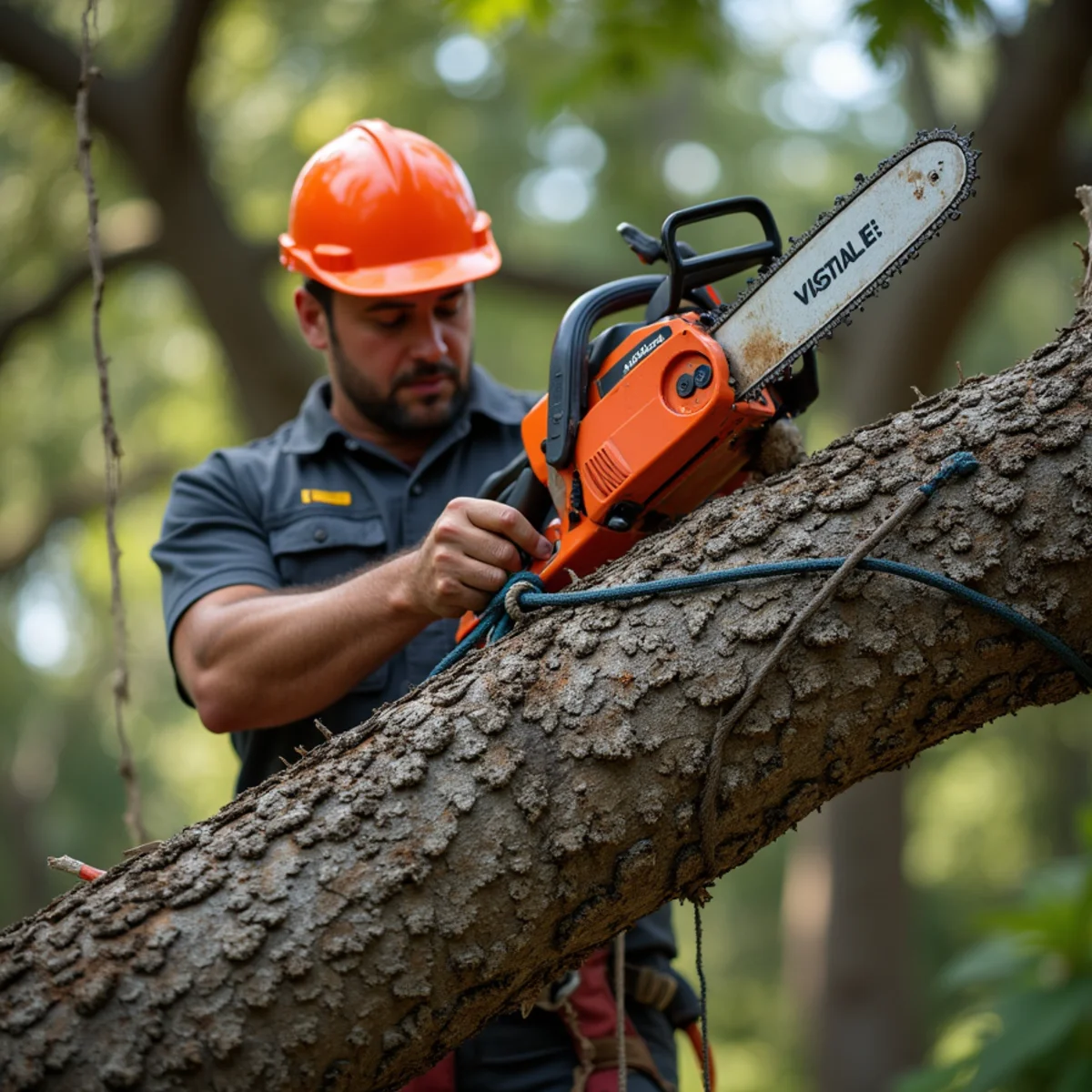
After a severe windstorm or tropical squall, tree canopies in Central Florida often harbor snapped limbs suspended precariously in surrounding branches. Arborists call these 'widow-makers' because a slight gust can cause them to plunge without warning. Furthermore, trees pinned under fallen trunks act as mechanical spring-poles; cutting them without professional rigging releases violent kinetic energy capable of causing severe injury.
Why Palm Trees Fail Differently Than Hardwood Oaks
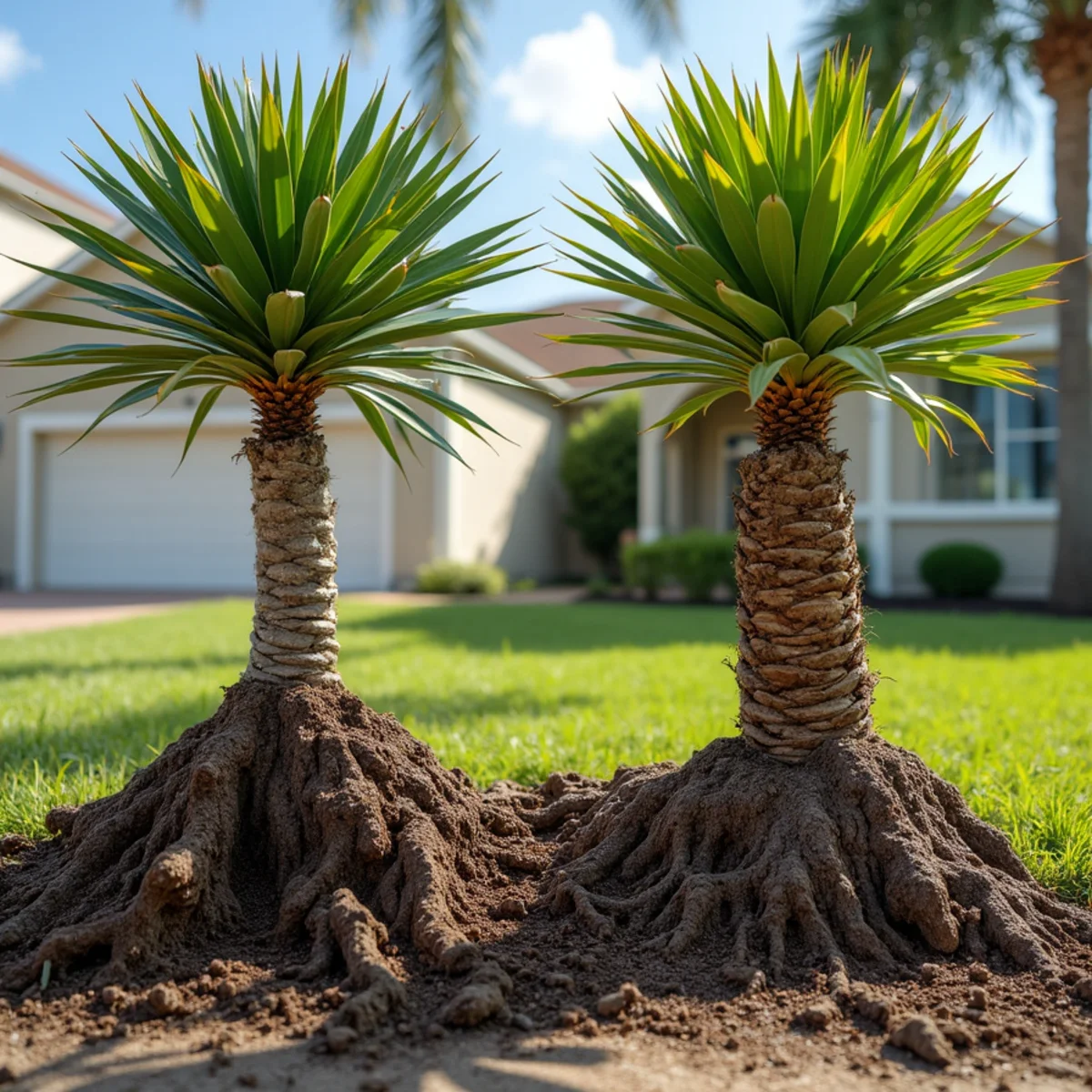
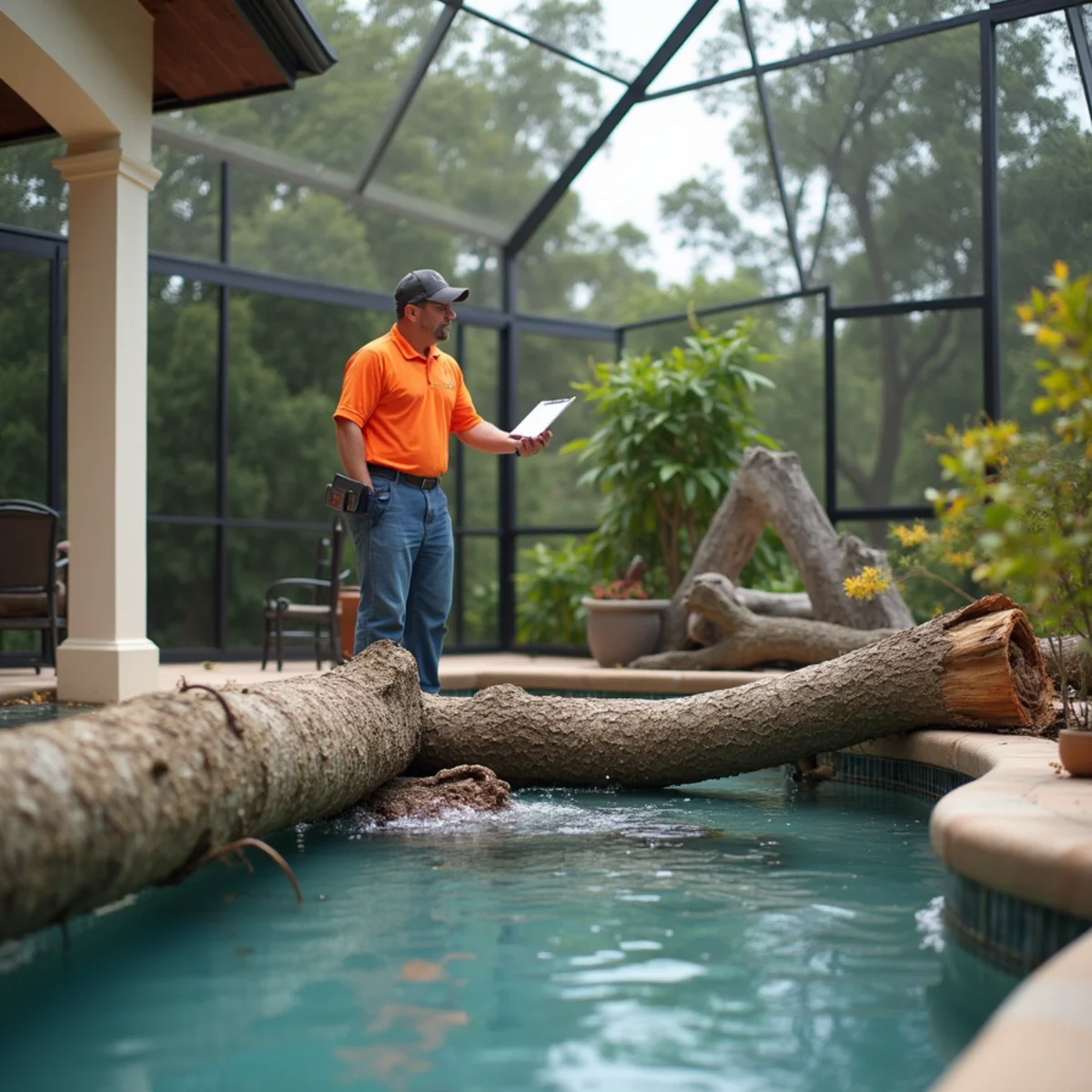
Unlike deep-taproot trees, Florida palm species (such as Queen, Washingtonia, and Royal palms) rely on fibrous root balls. When rain saturates sandy Kissimmee soils, wind acts as a giant lever on tall palm trunks, snapping the root-soil bond. Uprooted palms frequently lift adjacent paver driveways and pool screen footings, requiring crane-assisted removal to avoid pulling down attached structures.
Documenting Damage for Insurance Adjusters
Before moving fallen limbs that have damaged rooflines, fences, or carports, capture wide-angle and close-up photographs from multiple perspectives. Homeowners insurance policies typically require clear proof that the tree or limb caused direct physical damage to an insured structure before covering extraction costs.
Professional Rigging vs. DIY Chainsaw Risks
Consumer chainsaws are ill-equipped for wet, fibrous palm trunks that clog saw chains or heavy oak limbs under multi-directional compression. Our emergency tree crews use commercial grapple loaders, bucket lifts, and sectional lowering lines to dismantle storm-damaged trees safely.
Technical Reference & Specifications
Florida Landscape & Hardscape Decision Matrix
Evaluate critical engineering, soil, and horticultural parameters when undertaking outdoor landscape improvements across Osceola and Orange County.
Core Variable
Florida Condition
Contractor Standard
Risk of Neglect
Subgrade Soil
Entisols (Sugar Sand) & Clay Pockets
Geotextile fabric + 6" crushed DOT concrete base
Severe paver rutting & subgrade washout
Storm Evacuation
Up to 4" rain per hour in summer squalls
Laser-graded French drains + pop-up discharge emitters
Foundation weeping & sod root asphyxiation
Wind Resistance
Category 1 to 5 Hurricane gusts (75–155+ mph)
Structural palm tie-backs + deep-root anchoring
Canopy shearing & property structural strikes
HOA & City Code
Architectural Review Board (ARB) submittals
Stamped 3D CAD plans + Florida-Friendly plant keys
Stop-work orders & recurring HOA violation fines
Contractor Field Notes & Expert Insights
Master Landscaper Field Perspective (St. Cloud, FL)
Over two decades of designing and installing hardscapes and plantings throughout Central Florida, our lead project managers routinely encounter projects that failed prematurely due to common contractor shortcuts. In Florida's unique climate, three critical practices determine long-term success:
1
Never skip geotextile underlayment: In Florida sugar sand, fine subgrade particles migrate into aggregate base layers over time without non-woven geotextile separation, leading to uneven settling and trip hazards.
2
Verify positive slope away from foundation: Always maintain a minimum 2% grade slope (1/4 inch per foot) away from the house slab for the first 10 feet. Saturated soil along stem walls voids pest warranties and cracks exterior stucco.
3
Match plant root volume to Florida soil moisture: Tropical specimens planted in poorly drained retention pockets develop phytophthora root rot. 3D master planning allows soil elevation matching before planting a single shrub.
Connected Florida Services
Professional Landscape & Hardscape Solutions
Explore professional design and installation services directly related to this topic:
The horticulturists, landscape architects, and drainage engineers at YourVision 3D landscape design in St. Cloud, FL. Grounded in UF/IFAS Florida-Friendly principles and DBPR commercial landscape contractor standards.
Got Questions? We Have Answers
Key Questions Answered
If the palm's terminal bud (heart) is intact and at least 50% of the root ball remains undamaged, young to mid-sized palms can often be re-erected, staked with heavy 2x4 timbers, and saved with intensive watering.