Local-Specific Angles2025-10-107 min readYourVision 3D Soil Science Team
Navigating Central Florida Soil Types: Sandy Scrub, Flatwoods, and Lake Basin Peat
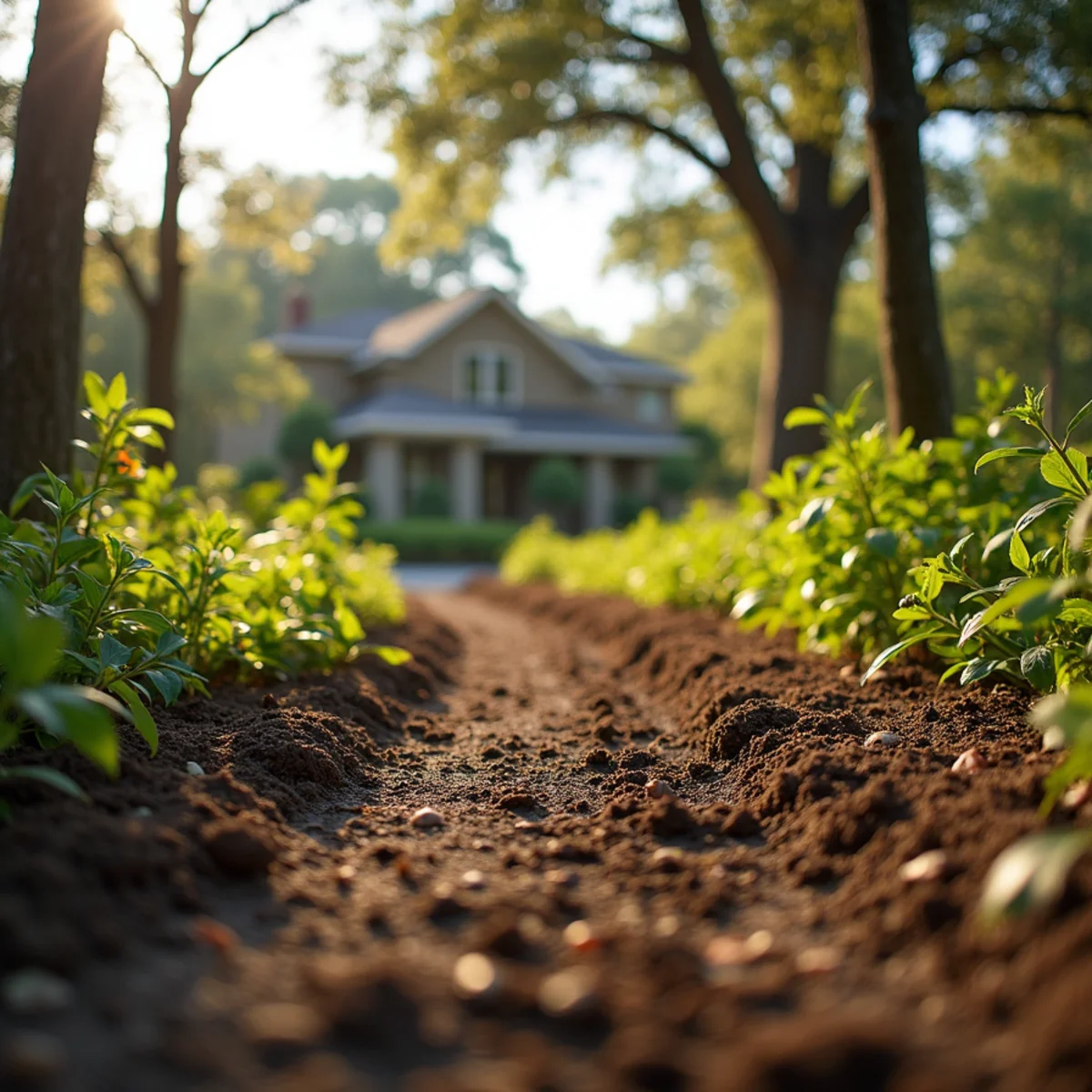
Understanding your property's specific soil classification is the secret to thriving plants and stable hardscapes. Explore the three primary soil profiles across Osceola and Orange Counties.
Direct Answer & Florida Contractor Takeaway
The Fast Answer for Central Florida Property Owners
Direct Summary: In Central Florida's humid subtropical climate (USDA Hardiness Zone 9b/10a), effective landscape longevity, storm resiliency, and property value protection demand proactive horticultural planning, precision grading, and moisture management. Whether remediating torrential stormwater, selecting Florida-Friendly turf, or installing architectural pavers over sandy scrub, solutions must comply with local Osceola and Orange County building codes and UF/IFAS guidelines to prevent costly rework.
UF/IFAS Florida-Friendly principles verified
DBPR licensed & insured installation standards
Osceola & Orange County HOA code compliance
Engineered for hurricane-season wind and deluges
In This Architectural Guide
1.Soil Profile 1: Sandy Upland Scrub
2.Soil Profile 2: Pine Flatwoods (Myakka Fine Sand)
3.Soil Profile 3: Lake Basin Peat and Muck
4.Engineering Your Soil for Landscape Success
Soil Profile 1: Sandy Upland Scrub
Common along elevated ridges and scrub parcels in Osceola and Orange Counties, upland scrub soil consists of white or light gray quartz sand. Water drains through rapidly, carrying away water-soluble nitrogen and potassium within hours. Plants here must be exceptionally drought-tolerant (e.g., Coontie, Saw Palmetto, Muhly Grass) unless amended with organic compost.
Soil Profile 2: Pine Flatwoods (Myakka Fine Sand)
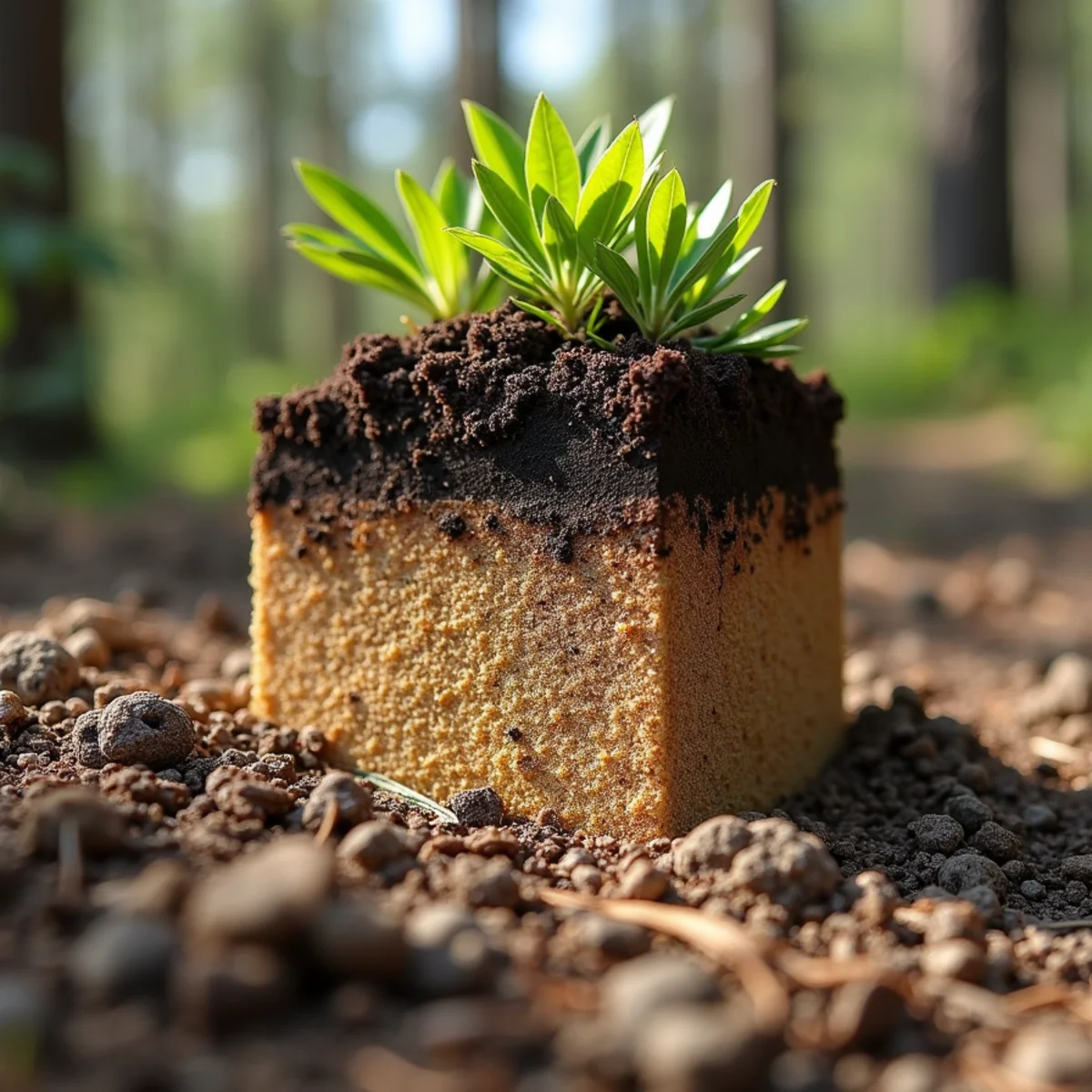
The official state soil of Florida, Myakka fine sand covers millions of acres across Central Florida. Characterized by an acidic top layer over an impermeable organic 'spodic' hardpan 12 to 30 inches deep, flatwoods soils become severely waterlogged during rainy summers yet stay bone-dry in winter.
Soil Profile 3: Lake Basin Peat and Muck
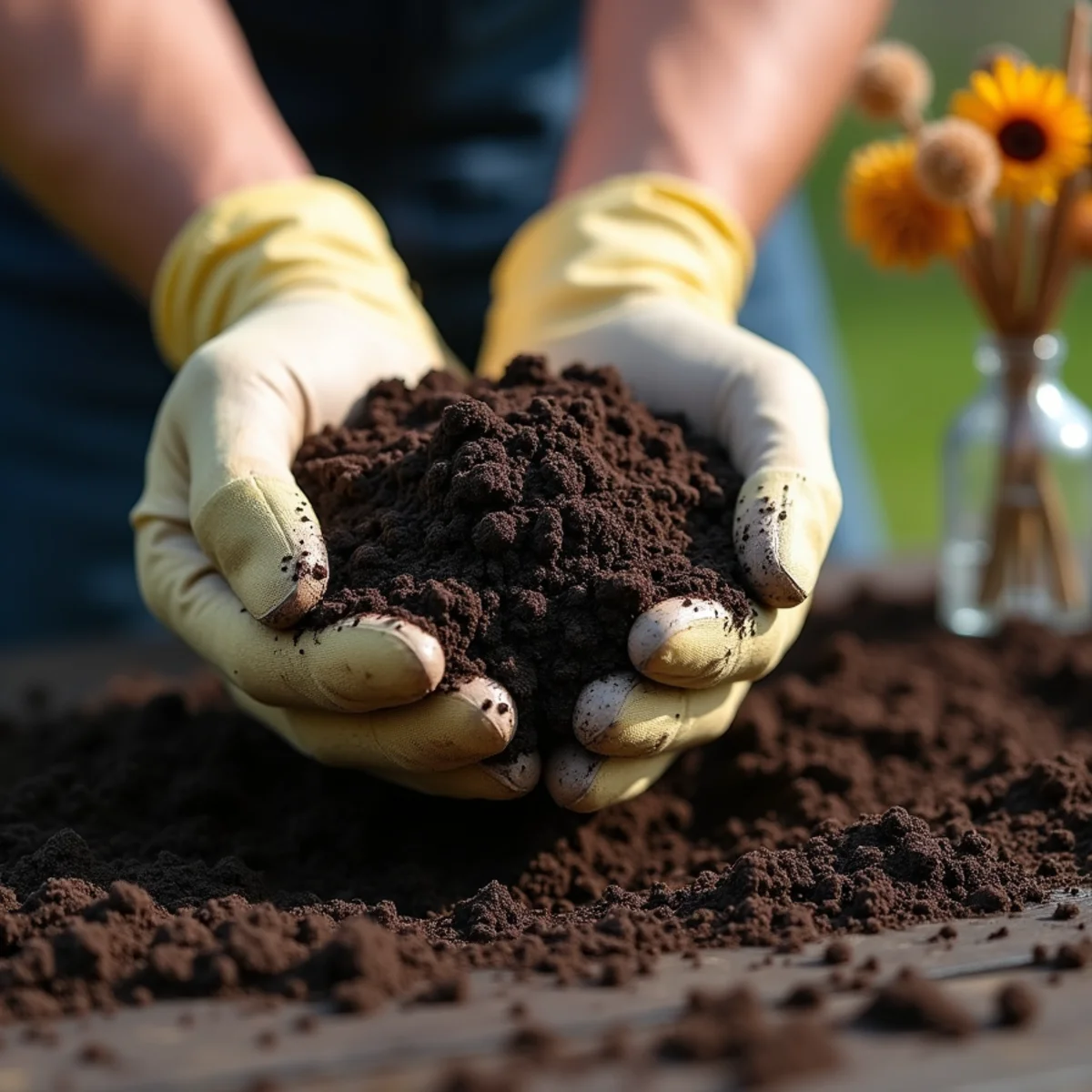
Found near East Lake Tohopekaliga in St. Cloud and low conservation parcels in Lake Nona, muck soils are rich in dark organic matter and retain moisture. While fertile, they settle over time, requiring deep excavation and geotextile stabilization before building paver patios.
Engineering Your Soil for Landscape Success
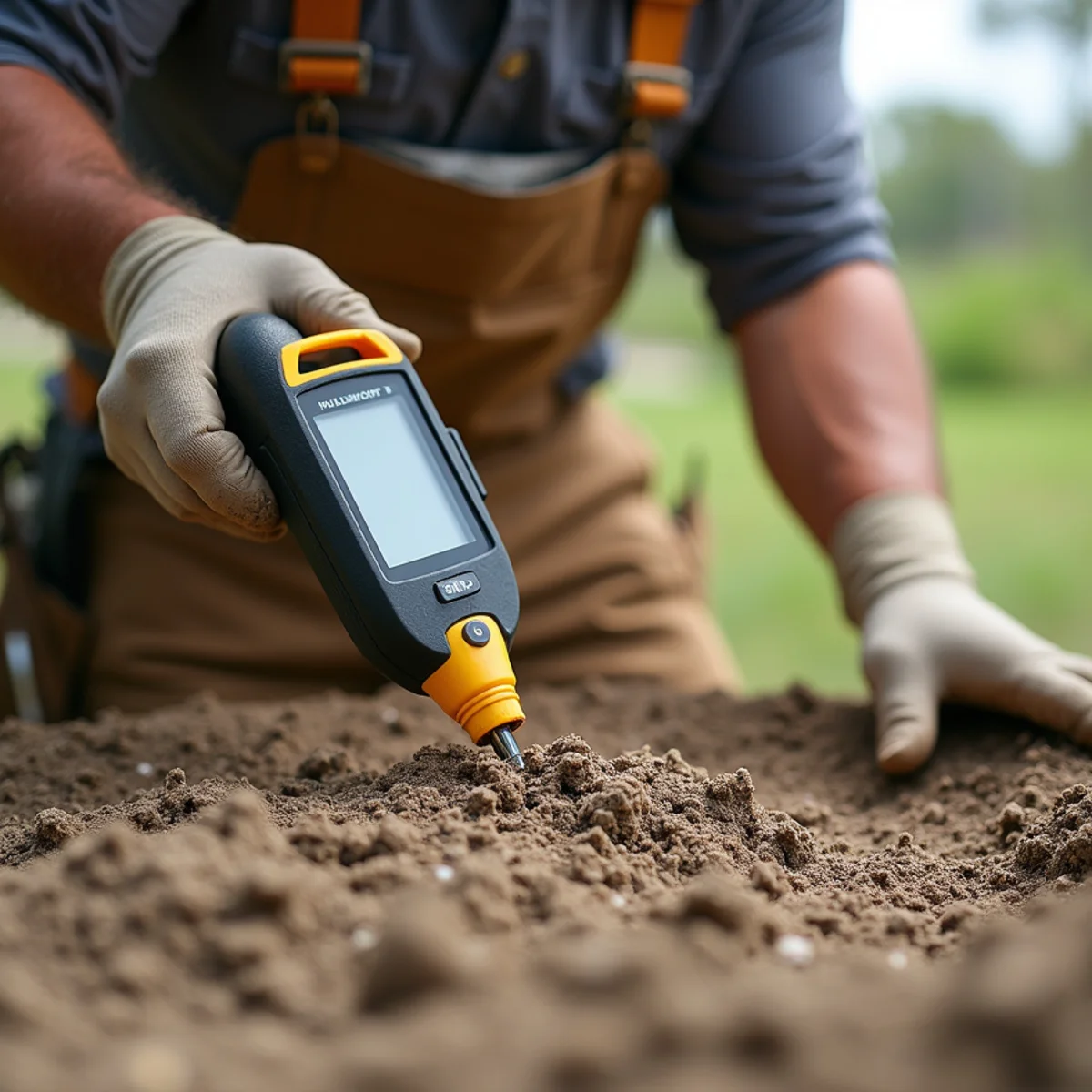
We conduct physical soil texture and percolation tests before designing any major installation. We incorporate organic humic compost into scrub sand and engineer French drains across flatwoods to ensure balanced moisture year-round.
Technical Reference & Specifications
Florida Landscape & Hardscape Decision Matrix
Evaluate critical engineering, soil, and horticultural parameters when undertaking outdoor landscape improvements across Osceola and Orange County.
Core Variable
Florida Condition
Contractor Standard
Risk of Neglect
Subgrade Soil
Entisols (Sugar Sand) & Clay Pockets
Geotextile fabric + 6" crushed DOT concrete base
Severe paver rutting & subgrade washout
Storm Evacuation
Up to 4" rain per hour in summer squalls
Laser-graded French drains + pop-up discharge emitters
Foundation weeping & sod root asphyxiation
Wind Resistance
Category 1 to 5 Hurricane gusts (75–155+ mph)
Structural palm tie-backs + deep-root anchoring
Canopy shearing & property structural strikes
HOA & City Code
Architectural Review Board (ARB) submittals
Stamped 3D CAD plans + Florida-Friendly plant keys
Stop-work orders & recurring HOA violation fines
Contractor Field Notes & Expert Insights
Master Landscaper Field Perspective (St. Cloud, FL)
Over two decades of designing and installing hardscapes and plantings throughout Central Florida, our lead project managers routinely encounter projects that failed prematurely due to common contractor shortcuts. In Florida's unique climate, three critical practices determine long-term success:
1
Never skip geotextile underlayment: In Florida sugar sand, fine subgrade particles migrate into aggregate base layers over time without non-woven geotextile separation, leading to uneven settling and trip hazards.
2
Verify positive slope away from foundation: Always maintain a minimum 2% grade slope (1/4 inch per foot) away from the house slab for the first 10 feet. Saturated soil along stem walls voids pest warranties and cracks exterior stucco.
3
Match plant root volume to Florida soil moisture: Tropical specimens planted in poorly drained retention pockets develop phytophthora root rot. 3D master planning allows soil elevation matching before planting a single shrub.
Connected Florida Services
Professional Landscape & Hardscape Solutions
Explore professional design and installation services directly related to this topic:
The horticulturists, landscape architects, and drainage engineers at YourVision 3D landscape design in St. Cloud, FL. Grounded in UF/IFAS Florida-Friendly principles and DBPR commercial landscape contractor standards.
Got Questions? We Have Answers
Key Questions Answered
Composted organic cow manure, pine bark fines, and worm castings introduce beneficial microbes, increase cation exchange capacity (CEC), and retain water.