Prevention & Maintenance2025-11-056 min readYourVision 3D Irrigation Services
Pre-Summer Irrigation System Tune-Up: Checking Sprinkler Heads, Valves, and Rain Sensors
Before blistering 95°F summer heat arrives, your irrigation system must be firing on all cylinders. Follow our step-by-step checklist to find leaks and ensure head-to-head coverage.
Direct Answer & Florida Contractor Takeaway
The Fast Answer for Central Florida Property Owners
Direct Summary: In Central Florida's humid subtropical climate (USDA Hardiness Zone 9b/10a), effective landscape longevity, storm resiliency, and property value protection demand proactive horticultural planning, precision grading, and moisture management. Whether remediating torrential stormwater, selecting Florida-Friendly turf, or installing architectural pavers over sandy scrub, solutions must comply with local Osceola and Orange County building codes and UF/IFAS guidelines to prevent costly rework.
UF/IFAS Florida-Friendly principles verified
DBPR licensed & insured installation standards
Osceola & Orange County HOA code compliance
Engineered for hurricane-season wind and deluges
In This Architectural Guide
1.Step 1: Test Zone by Zone and Verify Dynamic Pressure
2.Step 2: Align Nozzle Arcs and Eliminate Sidewalk Spray
3.Step 3: Test and Calibrate the Rain Freeze Sensor
4.Step 4: Clean In-Line Filter Screens and Drip Emitters
Step 1: Test Zone by Zone and Verify Dynamic Pressure
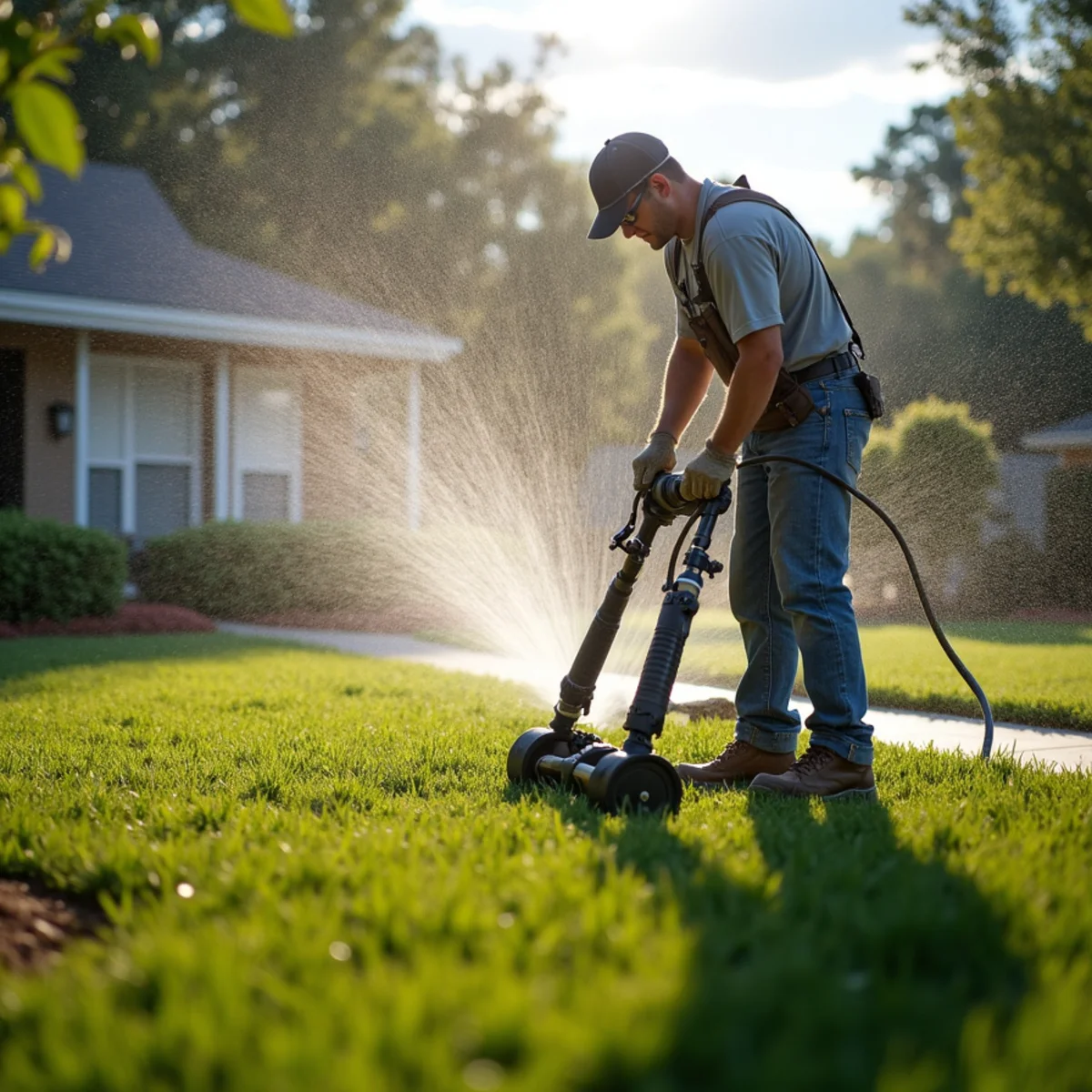
Turn on each sprinkler zone manually. Check for low pressure caused by cracked PVC pipes, root pinches, or worn pump impellers. Ensure popup heads rise to their full clearance height above turf mowed heights.
Step 2: Align Nozzle Arcs and Eliminate Sidewalk Spray
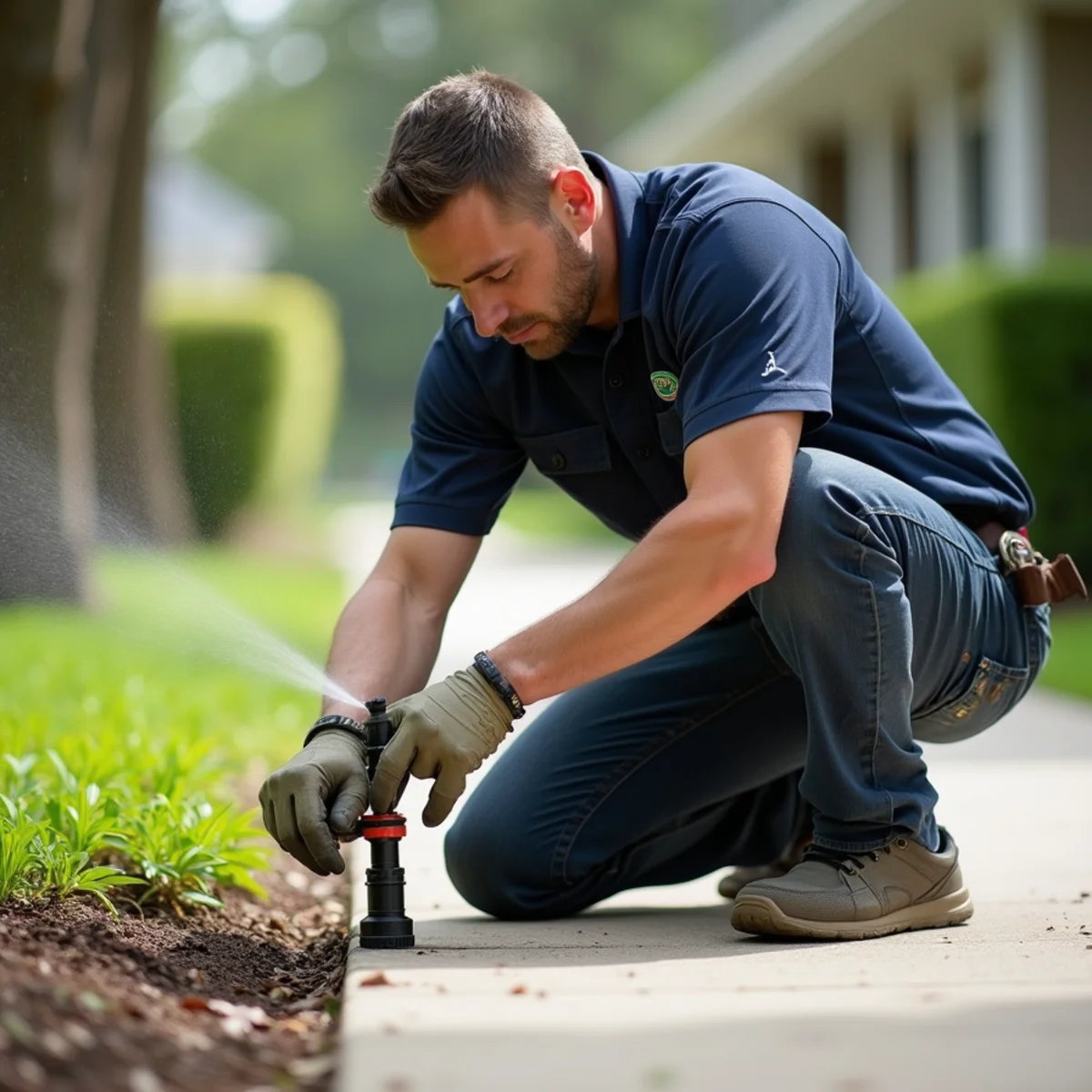
Every drop of water sprayed onto concrete driveways or house siding is wasted money. Adjust nozzle arc screws to ensure spray patterns stop right at the lawn edge with matched head-to-head precipitation.
Step 3: Test and Calibrate the Rain Freeze Sensor
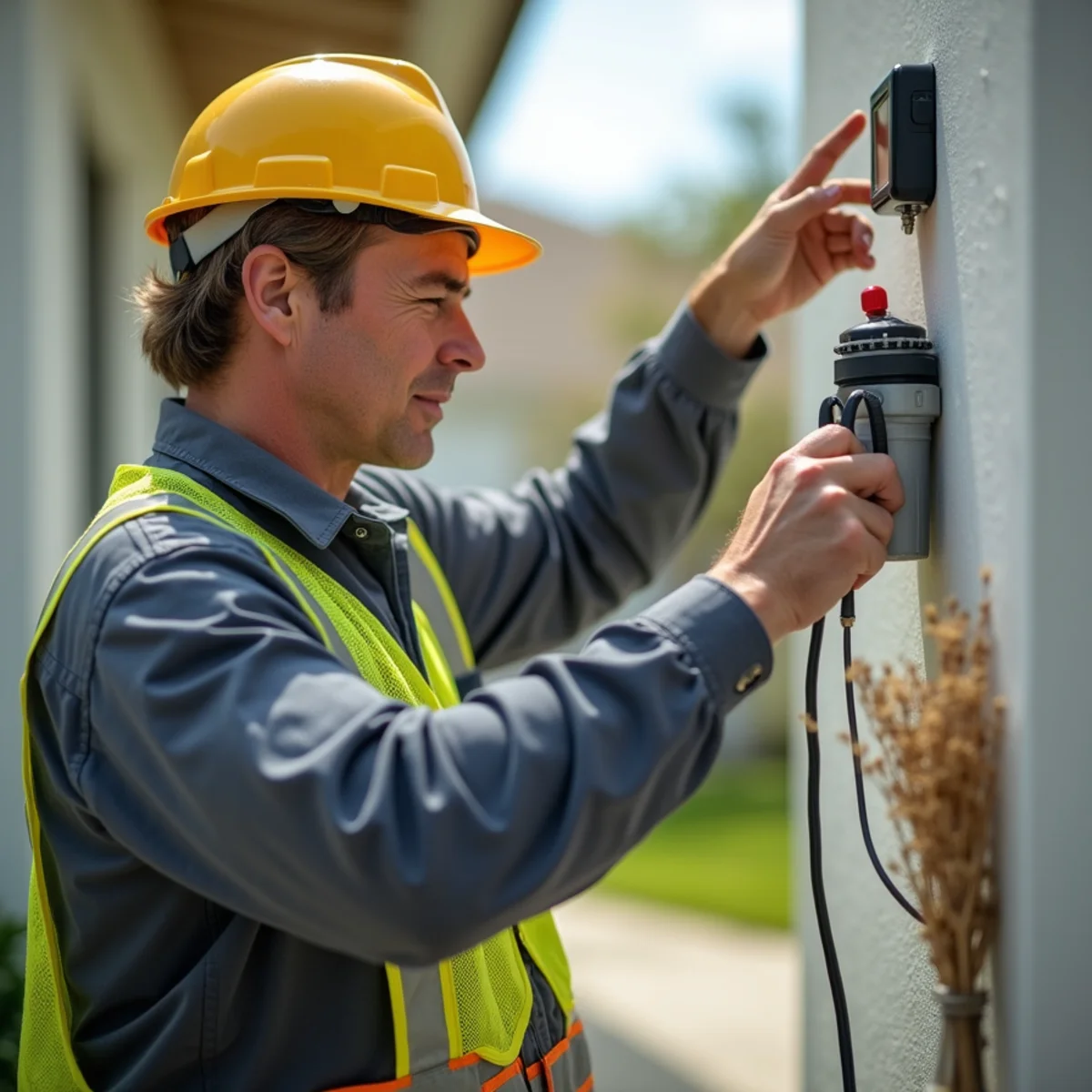
Florida Statute 373.62 mandates that all automatic irrigation systems be equipped with a functional rain sensor. Test yours by running a zone and manually depressing the sensor spindle; the system should halt within 30 seconds.
Step 4: Clean In-Line Filter Screens and Drip Emitters
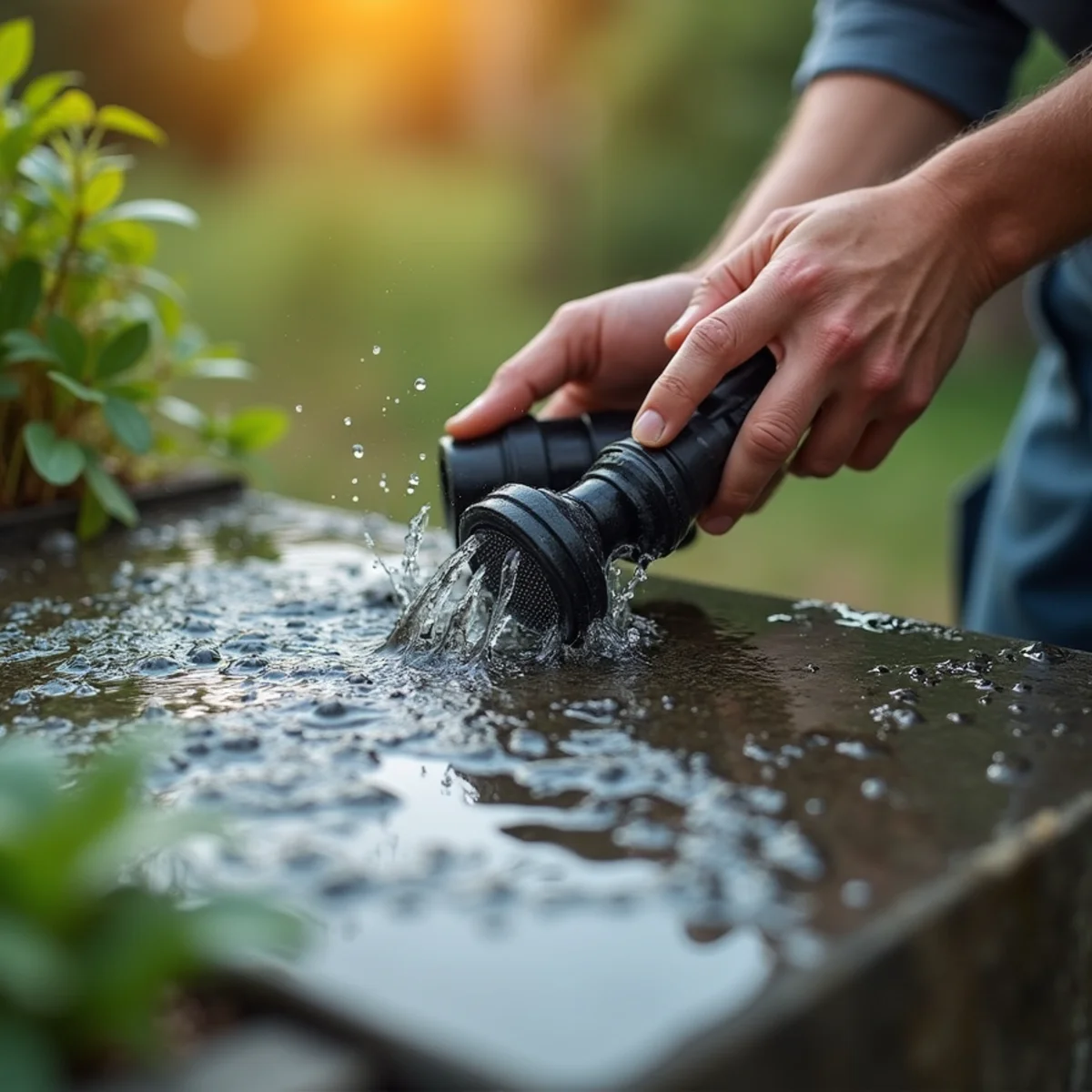
Hard Florida well water and sand particulates clog micro-drip emitters and spray nozzles. Unscrew nozzle caps and flush lines to restore uniform spray geometry.
Technical Reference & Specifications
Florida Landscape & Hardscape Decision Matrix
Evaluate critical engineering, soil, and horticultural parameters when undertaking outdoor landscape improvements across Osceola and Orange County.
Core Variable
Florida Condition
Contractor Standard
Risk of Neglect
Subgrade Soil
Entisols (Sugar Sand) & Clay Pockets
Geotextile fabric + 6" crushed DOT concrete base
Severe paver rutting & subgrade washout
Storm Evacuation
Up to 4" rain per hour in summer squalls
Laser-graded French drains + pop-up discharge emitters
Foundation weeping & sod root asphyxiation
Wind Resistance
Category 1 to 5 Hurricane gusts (75–155+ mph)
Structural palm tie-backs + deep-root anchoring
Canopy shearing & property structural strikes
HOA & City Code
Architectural Review Board (ARB) submittals
Stamped 3D CAD plans + Florida-Friendly plant keys
Stop-work orders & recurring HOA violation fines
Contractor Field Notes & Expert Insights
Master Landscaper Field Perspective (St. Cloud, FL)
Over two decades of designing and installing hardscapes and plantings throughout Central Florida, our lead project managers routinely encounter projects that failed prematurely due to common contractor shortcuts. In Florida's unique climate, three critical practices determine long-term success:
1
Never skip geotextile underlayment: In Florida sugar sand, fine subgrade particles migrate into aggregate base layers over time without non-woven geotextile separation, leading to uneven settling and trip hazards.
2
Verify positive slope away from foundation: Always maintain a minimum 2% grade slope (1/4 inch per foot) away from the house slab for the first 10 feet. Saturated soil along stem walls voids pest warranties and cracks exterior stucco.
3
Match plant root volume to Florida soil moisture: Tropical specimens planted in poorly drained retention pockets develop phytophthora root rot. 3D master planning allows soil elevation matching before planting a single shrub.
Connected Florida Services
Professional Landscape & Hardscape Solutions
Explore professional design and installation services directly related to this topic:
The horticulturists, landscape architects, and drainage engineers at YourVision 3D landscape design in St. Cloud, FL. Grounded in UF/IFAS Florida-Friendly principles and DBPR commercial landscape contractor standards.
Got Questions? We Have Answers
Key Questions Answered
Place empty tuna cans across your lawn, run the zone for 15 minutes, and measure the water depth. A properly calibrated system delivers 1/2 to 3/4 inch of water per cycle.